

Used Catering Vans for Sale: A Practical Guide to Buying the Right One
Buying a used catering van in the UK? Check the LPG gas, the conversion, the weight and the paperwork before you pay. A practical guide from CaterBids.uk.
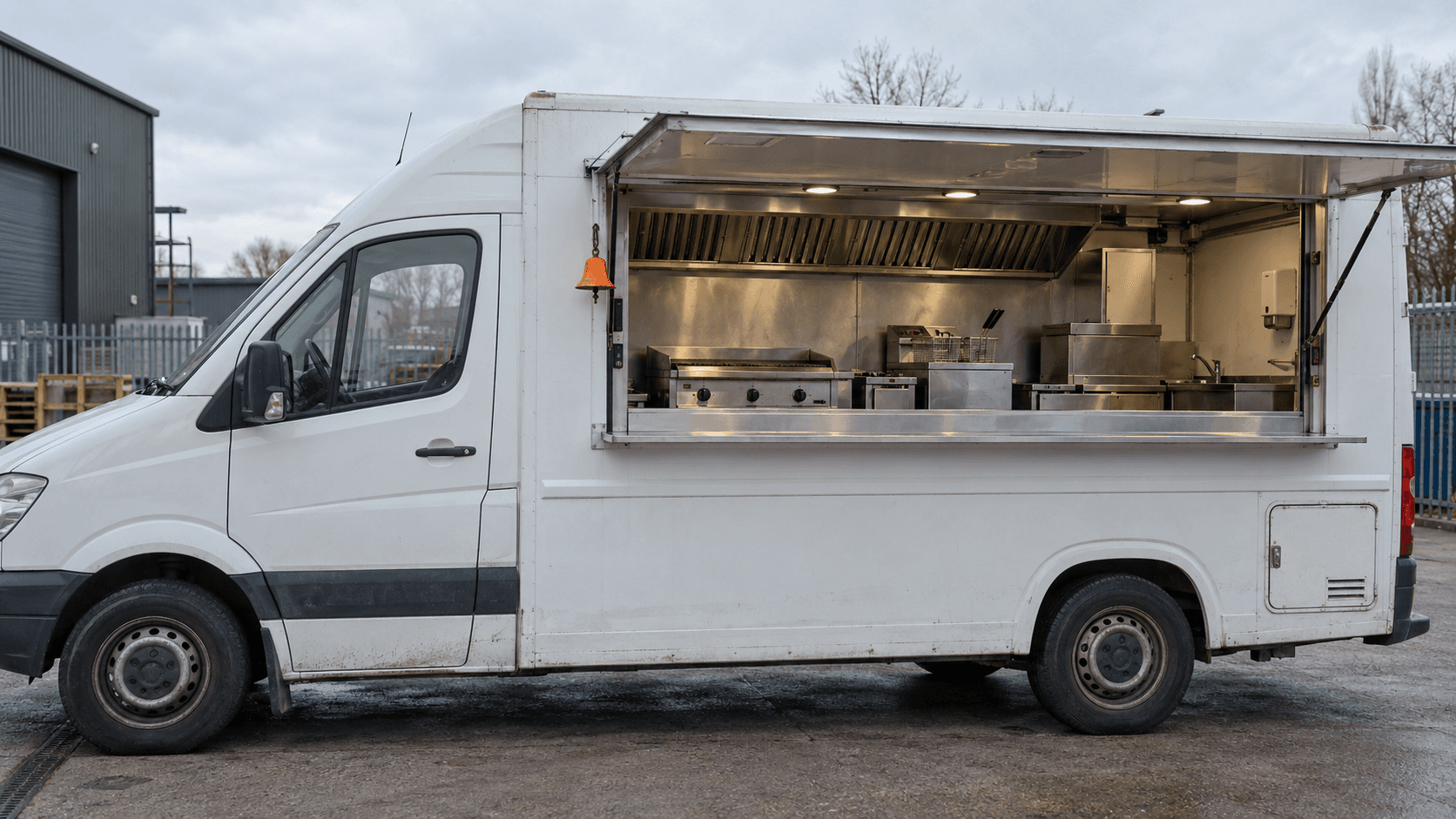
Ask to see the gas engineer's Gas Safe ID card, not just the certificate. For a catering van it must list commercial mobile catering on LPG, or the paperwork proves nothing.
Good used catering vans don't hang around. A well-built van can have you trading in a week, with no pitch to rent and no trailer to tow. But a van is two purchases in one: a vehicle and a small commercial kitchen. Get either one wrong and you are paying for it every week you trade.
This guide covers what to check when you are looking at used catering vans for sale in the UK, from the gas and the conversion to the paperwork, so you know what you are buying before any money changes hands.
Van or Trailer: Which Suits You?
- A van suits you if: you move between markets, events and daily pitches, or you want to set up and serve fast with one vehicle.
- A trailer suits you if: you have a regular pitch, want more floor space for the money, or already own a vehicle that can tow it.
If a trailer sounds closer to what you need, read our guide to buying a used catering trailer first. Everything below about gas, electrics and paperwork applies to both.
Check the Gas First
Most catering vans cook on LPG, and this is where the real safety risk sits. Do not take "it's all been checked" as an answer.
- Ask for a current gas safety certificate: in the trade it's usually called a CP44. It must come from a Gas Safe engineer registered for commercial mobile catering on LPG. Not every gas engineer is, so check their ID card or look them up on the Gas Safe Register.
- Look at the pipework: fixed pipes should be copper or steel, clipped firmly and protected where they pass through panels. Rubber hose should be short, in date and only at the bottle end.
- Check where the bottles live: cylinders belong upright, strapped in, in a sealed locker vented to the outside, never loose inside the cooking area.
- Test the flame failure devices: every burner, fryer and griddle should cut the gas when the flame goes out. Light each one and turn it off to see it work.
- Look for low-level ventilation: LPG is heavier than air and sinks, so the floor needs a way to vent it.
Check the Van Itself
- MOT and history: run the registration through the free government MOT history check. Advisories on brakes, rust and suspension tell you what is coming.
- Weight and your licence: check the maximum weight on the van's plate. If it's over 3,500kg and you passed your driving test on or after 1 January 1997, you need a C1 licence. A full kitchen, water and gas add up fast, so check it isn't overloaded at a public weighbridge.
- Rust and underside: look under the floor, around the wheel arches and where the conversion is bolted to the chassis.
- Mileage and servicing: a lower mileage van with no service history is not always the safer buy.
Check the Conversion
A neat conversion and a quick one can look the same in photos. Look closer.
- Electrics: ask for an electrical installation certificate for the hook-up and sockets, and check the appliances have been PAT tested.
- Water: you need a proper hand wash basin with hot water, separate from where you wash food and utensils. Your council's environmental health officer will check it, so make sure the pump, heater and waste tank all work.
- Extraction: a canopy that pulls grease and heat out through the roof, with filters you can remove and clean.
- Fridges and appliances: switch everything on. Check fridges reach temperature and that every appliance is fitted, not just sitting on the worktop.
- Build quality: stainless worktops sealed at the joins, a floor that cleans easily, and no soft spots or damp.
The Paperwork
- Registration with the council: you must register as a food business at least 28 days before you start trading. Plan this into your timeline.
- Street trading: councils run their own licences and consents, so check the areas you want to trade in.
- Insurance: you need insurance that covers the conversion as well as the van. Tell the insurer it is a catering vehicle.
- What should come with it: V5C logbook, gas certificate, electrical certificate, manuals for the appliances and any service records.
What to Pay
Prices run from under £10,000 for an older, smaller converted van to £30,000 or more for a newer, fully fitted one. Good used vans hold their value well, because the conversion is the expensive part. Budget a few hundred pounds for a fresh gas safety check and any small fixes before your first day of trading.
If the van comes with a pitch, a name or regular events, you are really buying a business. Our guide to buying a catering business covers what to ask about those.
Your Used Catering Van Checklist
- Current CP44 gas certificate from a mobile catering LPG engineer
- Flame failure devices tested on every appliance
- MOT history checked online
- Plated weight checked against your driving licence
- Electrical certificate and PAT tested appliances
- Hand wash basin with hot water working
- V5C logbook and certificates in the seller's name
Take the checklist with you, walk away from any van where the gas paperwork is missing, and you will buy with confidence. That is what BUY • SELL • SAVE means on CaterBids: real kit from real sellers, and the checks to buy it right.
Ready to Find Your Van?
Browse catering vans and trailers for sale on CaterBids, with fixed prices from UK sellers.
Ready to Sell Your Equipment?
Your first listing is free while our launch offer lasts, then from £5 for 30 days. No commission and no final value fee, so what a seller makes is what they keep.
Prepare Your Equipment
- Clean stainless surfaces
- Disconnect safely
- Photograph the data plate
- Box loose parts
- Measure and weigh