

Selling a Coffee Van, Cart or Trailer: What to Sort Before You List
Selling a coffee van, cart or trailer? What to sort first: gas and pressure checks, power, what is included, pitches, photos and a clean handover.
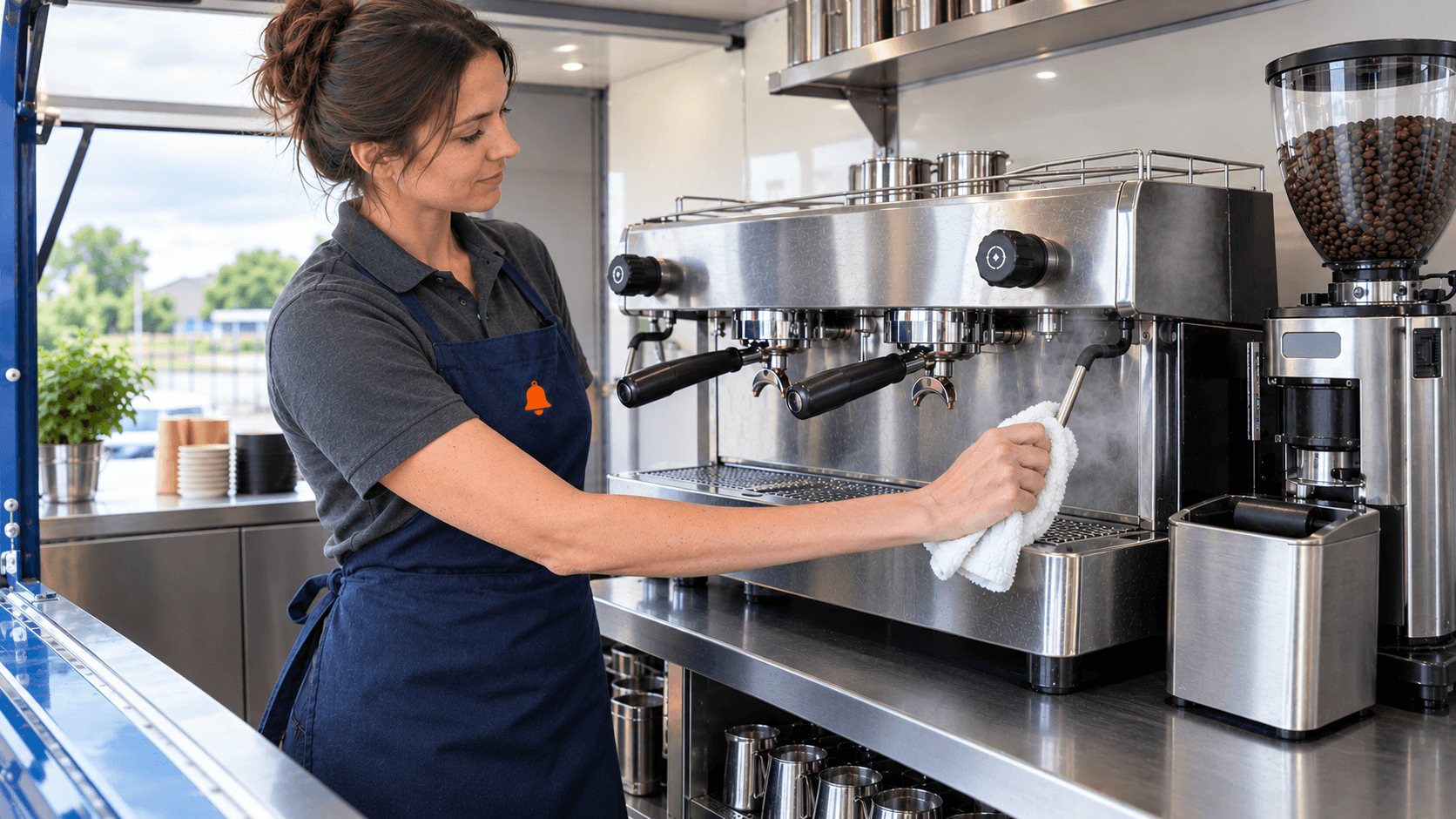
Put the date of every certificate in the advert, not just "certificates available". Buyers can see at a glance what is current and what they would need to book.
Quick answer: Before you list, have the gas checked by an engineer qualified for mobile catering, get the boiler's pressure examination done, and put every certificate in one folder. Then write down exactly what is included and what it runs on, and photograph it set up and ready to serve. Buyers who can see the paperwork and the full kit ask fewer questions and pay closer to your price.
Van, cart or trailer: what gets checked first
Each type of unit is judged on something different. Lead your advert with the answer to that first question.
| What you are selling | What gets checked first | Paperwork to have ready |
|---|---|---|
| Van | Engine, MOT, mileage, then the fit-out | V5C log book, MOT and service history, gas and electrical certificates |
| Trailer | Whether their car and licence can tow it | Weight details, proof of ownership, gas and electrical certificates |
| Cart or bike | How it moves, what it plugs into, whether it fits through a door | Proof of ownership, certificates for anything gas or electric, manuals |
For a trailer, state its maximum authorised mass (MAM) in the advert. Licence entitlement for towing is set by MAM, and the towing car has its own limit too. The figure up front saves calls from people who can't move it.
For a cart, give the width and height. Many carts trade indoors, so whoever buys it needs to know it fits through their doors.
Sort the boiler paperwork
The espresso machine is what a coffee buyer cares about most. Machines that make steam under pressure come under the Pressure Systems Safety Regulations.
That means a written scheme of examination, and examinations by a competent person at the intervals set in that scheme (often every 14 months). Hand over the scheme and the latest report: it proves the boiler has been looked after.
Note the make, the number of groups, and when the gaskets and water filter were last changed. Our coffee machine guide shows what buyers look for, so you can answer it in the advert.
Say exactly what it runs on
Power is the first technical question on any mobile coffee setup. Write down how the boiler is heated and what the whole unit needs: a generator, a battery and inverter, a hook-up lead, or gas.
Anything on LPG must be checked and serviced by a Gas Safe registered engineer who holds the qualification for that appliance under the LPG mobile catering ticket.
Say what the generator or battery can run at once. Someone planning a busy event wants to grind, pour and keep the milk cold together.
Decide what goes with it
List what is in the sale and put it in the advert. Coffee traders want a unit they can work from straight away.
- Grinder, with its make and model
- Milk fridge and any under-counter chiller
- Jugs, knock box, tampers and cleaning kit
- Water tanks, pump and waste container
- Awning, menu boards and any branding
Be clear about pitches. Street trading licences come from the local council, which can refuse or add conditions, so a pitch is not yours to sell. Say which councils and events you have traded with, and let the new owner apply in their own name.
They also have to register their own food business with the council at least 28 days before trading, and that applies to mobile units too. Mention it early so they can plan their first day.
Photos and words that sell it
Shoot it in daylight, cleaned, with the hatch open and everything switched on. People want to see it as their customers would.
- Both sides, and the front with the hatch open
- The espresso setup and grinder close up
- Under the counter, the tanks and the power setup
- The hitch, the tyres or the wheels
- Any damage, shown honestly
In the text, give the make and groups, power, tank sizes, what is included and the date of each certificate. Check similar units in catering vans and trailers before you set a price, or look at coffee and bar equipment if you are selling the kit on its own. Our guide to selling a catering trailer covers the wider paperwork.
Hand it over cleanly
On the day, take the new owner through a full start-up, a shot, a milk steam and a back flush. Hand over the manuals, every certificate, the pressure scheme and the spare keys.
If you sell a van, tell DVLA straight away, which you can do online. Your vehicle tax is then cancelled, and you get a refund for any full months left. If your gas bottles are on a supplier's rental agreement, check with the supplier before you include them.
Your first listing is free while our launch offer lasts, then from £5 for 30 days. No commission and no final value fee.
You can see what else is for sale across the UK while you get yours ready.
Sources
Ready to Sell Your Equipment?
Your first listing is free while our launch offer lasts, then from £5 for 30 days. No commission and no final value fee, so what a seller makes is what they keep.
Prepare Your Equipment
- Clean stainless surfaces
- Disconnect safely
- Photograph the data plate
- Box loose parts
- Measure and weigh