

Buying a Used Commercial Freezer: UK Catering Buyer's Guide
Buying a used commercial freezer? Check the temperature it holds, its climate class, seals, condenser and clearances before you pay. A plain UK checklist.
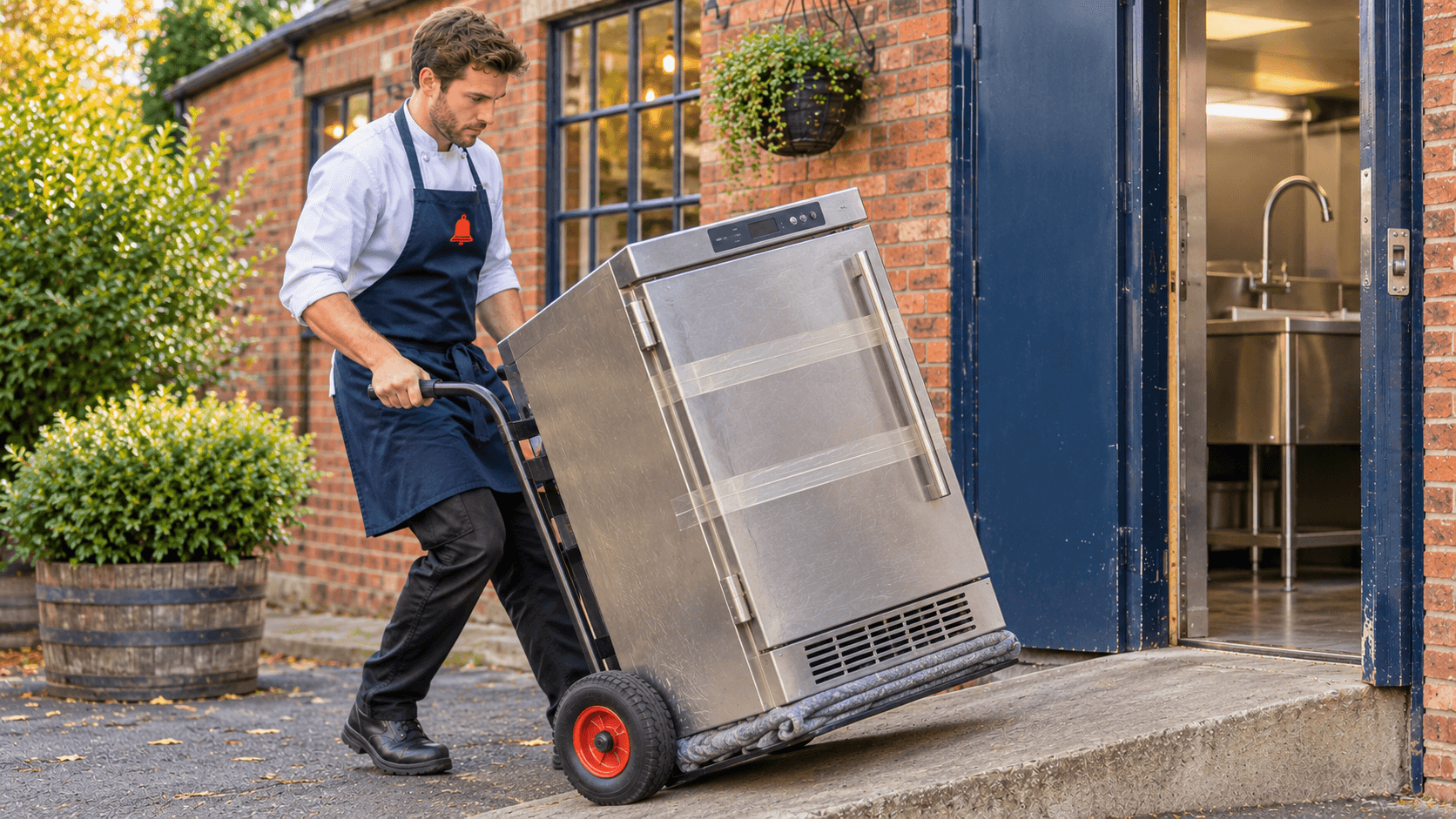
Ask the seller to switch the freezer on the day before you visit. Put your own thermometer on a middle shelf when you arrive and read it before you leave.
Quick answer: A used commercial freezer is a good buy when it reaches its rated temperature, holds it with the door shut, and has sound seals, a clean condenser and a climate rating that suits your kitchen. Ask the seller to have it running before you arrive, then bring your own thermometer. Walk away from any unit that cannot hold temperature or ices up inside.
Pick the right type first
Most buying mistakes start with the wrong shape of freezer, not a faulty one. Measure the space and think about how often staff open the door during service.
| Type | How to spot it | Who it suits |
|---|---|---|
| Upright cabinet | Full height, one or two doors, adjustable shelves | Kitchens with a back store and plenty of frozen stock |
| Undercounter | Sits under a worktop, one door | Small cafés and tight kitchens short on floor space |
| Chest | Lid opens upwards, deep well | Bulk stock and stores that are opened less often |
| Freezer prep counter | Worktop on top, freezer doors below | Busy lines that need frozen stock at hand |
| Blast chiller freezer | Probe, timer and fast pull-down | Kitchens that cook in bulk and freeze their own dishes |
For scale, Foster's current range includes a single-door cabinet of 600 litres, with larger double-door models above it. If you cook and freeze your own food, look at blast chillers rather than a storage cabinet alone.
Check the temperature it holds
Foster rates its current upright cabinets at -18°C to -21°C. Ask the seller what the unit is set to and what it is rated for, then test it against that.
Ask for it to be switched on the day before you visit. When you arrive, put your own thermometer on a middle shelf, shut the door and read it before you leave. Compare your reading with the display: a big gap points to a faulty probe or controller.
Look inside while it runs. A thick coat of ice on the evaporator or walls is a warning sign. Williams notes that putting hot food in causes evaporator icing, so ask how the last owner loaded it.
Match the climate rating to your kitchen
The climate class tells you how hot a room the unit can cope with, not how cold it gets inside. Electrolux Professional describes Class 4 as suited to conditions above 30°C, medium duty, and Class 5 as built for rooms that reach 40°C and above.
A freezer that sat in a cool back store may struggle beside a fryer bank. You will find the rating on the data plate, along with the model, serial number and refrigerant. Photograph it before any money changes hands.
Newer cabinets often run on R290, a natural hydrocarbon refrigerant. Note what the plate says so your engineer knows what they are working with.
Check the seals, coil and drain
Run your fingers round the whole door gasket. Look for splits, flattened sections and gaps where the door does not pull shut. Williams advises cleaning seals with warm soapy water and replacing any that are damaged, so a split one is a repair to price in, not a reason to panic.
Find the condenser, usually at the top, the bottom or behind the unit. Williams recommends cleaning it about 4 times a year. A coil matted with dust and grease tells you how the unit was looked after.
Check the drain hole and drip tray for blockages too. Water pooling where it should not be often ends up as ice inside.
Fit it and move it
Measure every doorway, corridor and turn on the route in, not just the final space. Then check the room it will stand in.
Williams asks for at least 50mm of space around the cabinet, and 500mm above it on models with the refrigeration system on top. Do not stack boxes on or in front of it, as that blocks the airflow.
Keep it upright in transit. If it has been tipped, Williams says to leave it standing for at least one hour before switching on. Always follow the manual for your exact model, as makers set their own times.
Let it reach temperature before you load it, then spread the load so air can move round the shelves. Once it is running, label everything you freeze and note the date, as GOV.UK's food hygiene guidance asks. Check the thermometer every day.
Where to look, and when to walk away
Browse used catering equipment for sale across the UK, or go straight to the commercial freezers category. Ask each seller for photos of the rating plate, the seals and the condenser before you travel.
Walk away from a unit that will not hold its rated temperature, ices up while you watch, or comes with no model or serial details. A clean, quiet cabinet from a known maker with a sound gasket is usually worth paying a little more for.
For fridges and counters, our guide to buying used commercial refrigeration covers the same checks. If you need far more space, read our guide to second hand walk-in chillers and coldrooms.
Selling the old one
Upgrading means the old freezer can go to someone else. Clean it, run it, and photograph the plate, seals and inside with the shelves in.
Your first listing is free while our launch offer lasts, then from £5 for 30 days. No commission and no final value fee.
Sources
Ready to Sell Your Equipment?
Your first listing is free while our launch offer lasts, then from £5 for 30 days. No commission and no final value fee, so what a seller makes is what they keep.
Prepare Your Equipment
- Clean stainless surfaces
- Disconnect safely
- Photograph the data plate
- Box loose parts
- Measure and weigh
- Prepare for pallet collection